Featured Insight
Understanding how exposed credentials become one of the most common real-world security risks.
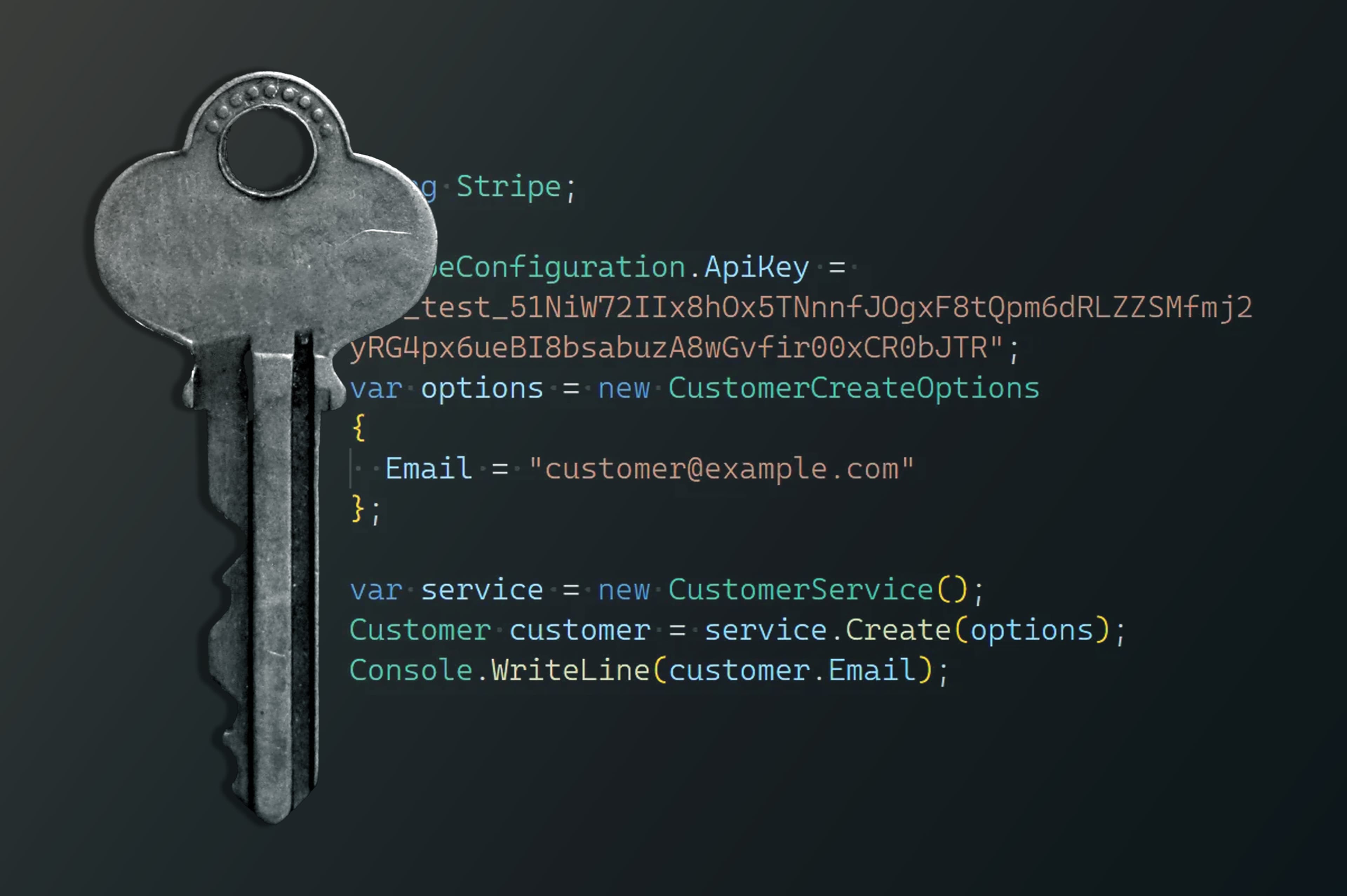
Did They Lose Their Keys? A Black Box Pentest Adventure
All Case Studies & Expert Insights
Deep dive into solutions and cybersecurity topics with our experts

From Open Ports to Organisational Maturity: Why Pen Testing Is the Foundation of a Healthy Security Posture
Penetration testing goes beyond compliance to reveal how real-world attackers could exploit weaknesses in systems, processes and people. This article explores why “no issues detected” is not a reliable indicator of security.
Vibe Coding: The Hidden Security Risks of AI-Generated Software
Understanding emerging risks in modern software development and AI-assisted coding environments.
AI Prompt Poisoning: Understanding the Threat – And Why You Need to Pay Attention
AI tools introduce new security risks when sensitive data is entered into prompts without proper controls or awareness. This article explores how organisations can manage AI usage safely while maintaining productivity and reducing data exposure risk.

When NZ organisations get breached, the same question keeps coming up—"How did this happen when we were compliant?"
Recent breaches affecting New Zealand organisations highlight ongoing risks across identity, systems and human behaviour. This article examines common patterns behind breaches and what organisations can learn to strengthen their security posture.

Bridging Directly To Continuous Maturity Assessments
Security maturity is not a one-time exercise. Continuous maturity assessments help organisations track progress, identify gaps and adapt to evolving threats, improving long-term resilience and governance effectiveness.

One of the biggest security risks in New Zealand isn’t technology. It’s misplaced responsibility
When cybersecurity responsibility is unclear or poorly defined, gaps emerge across governance, operations and decision-making. This article explores how accountability structures impact organisational security outcomes.